La Dulce Muerte Niña
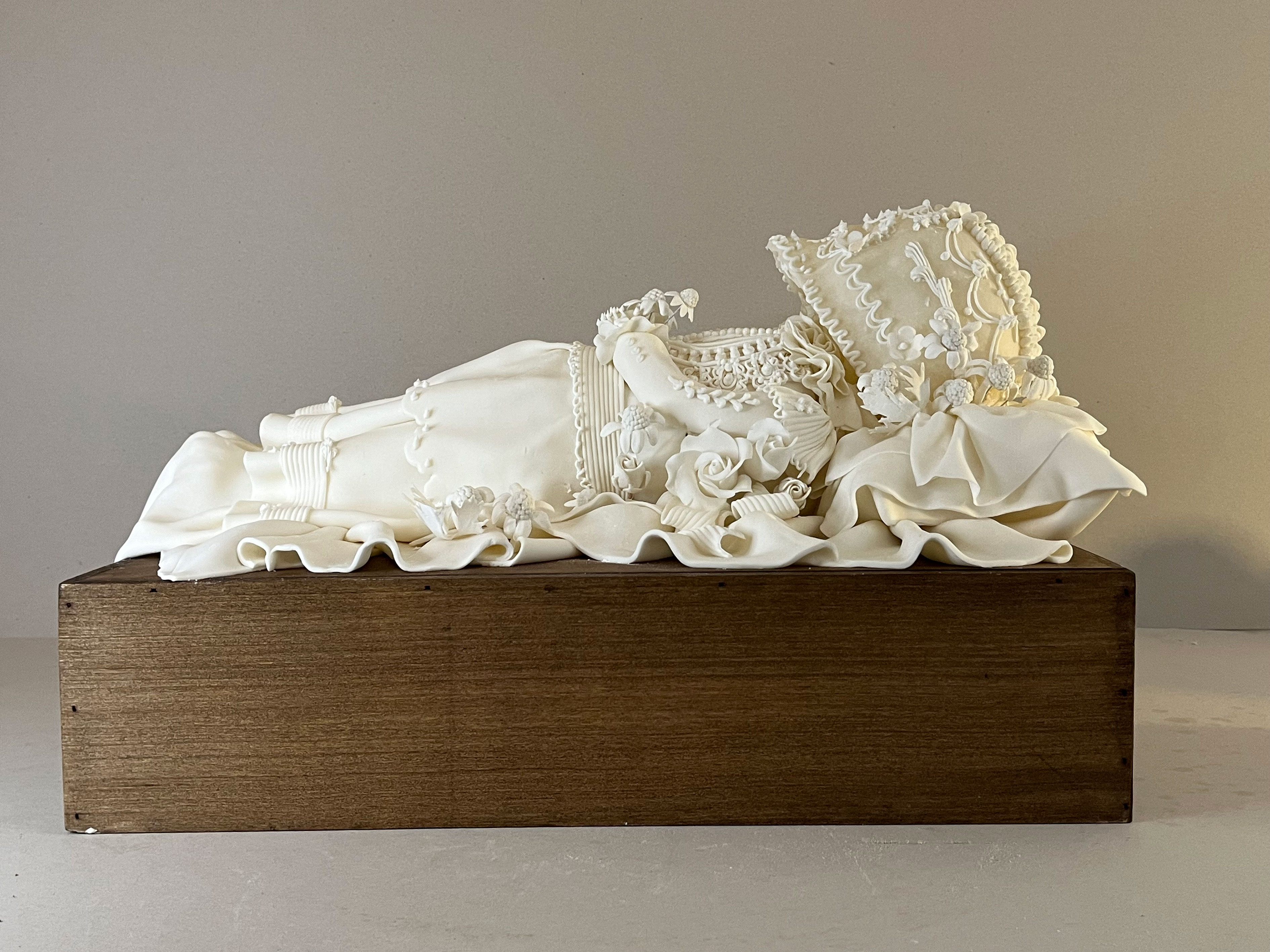
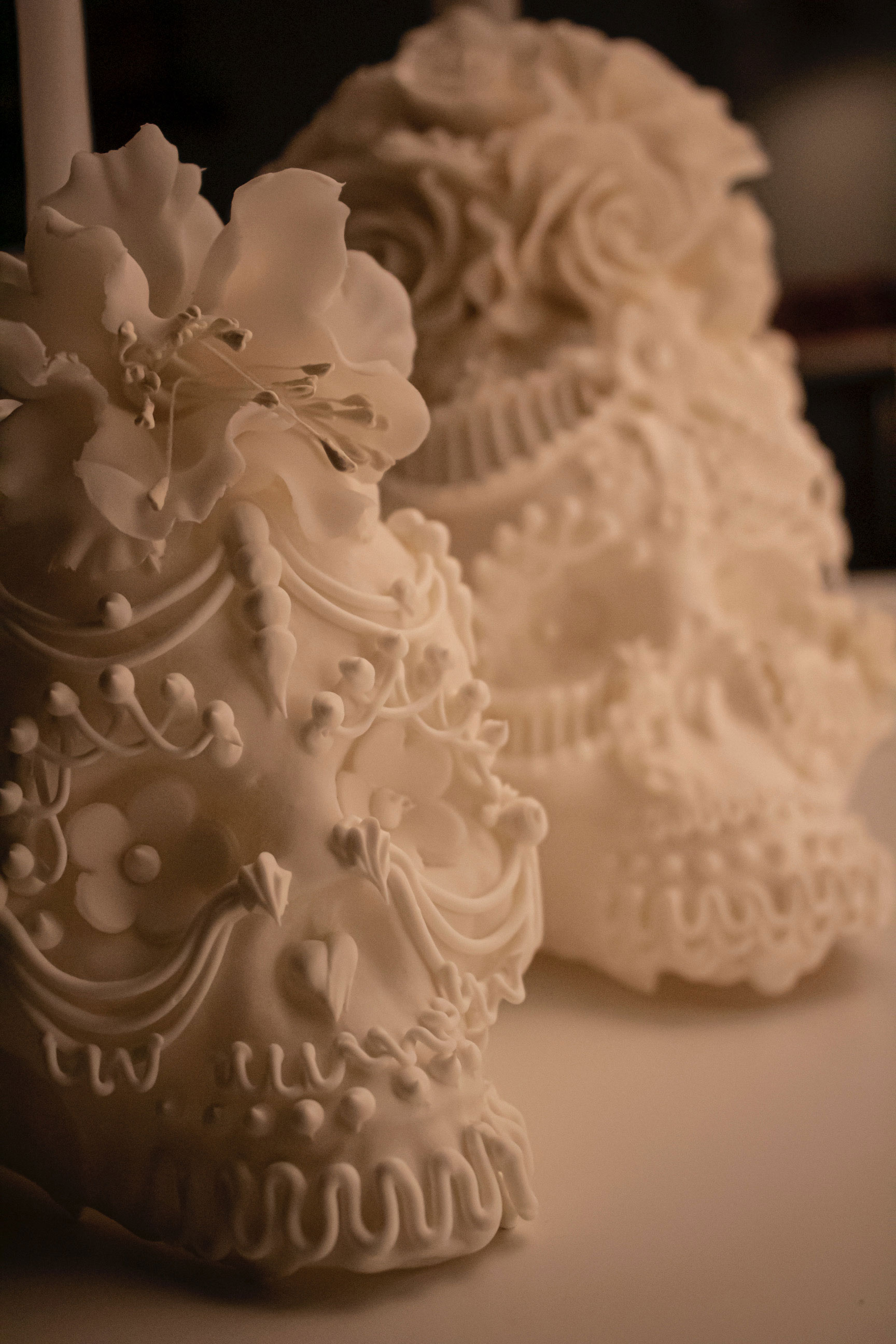
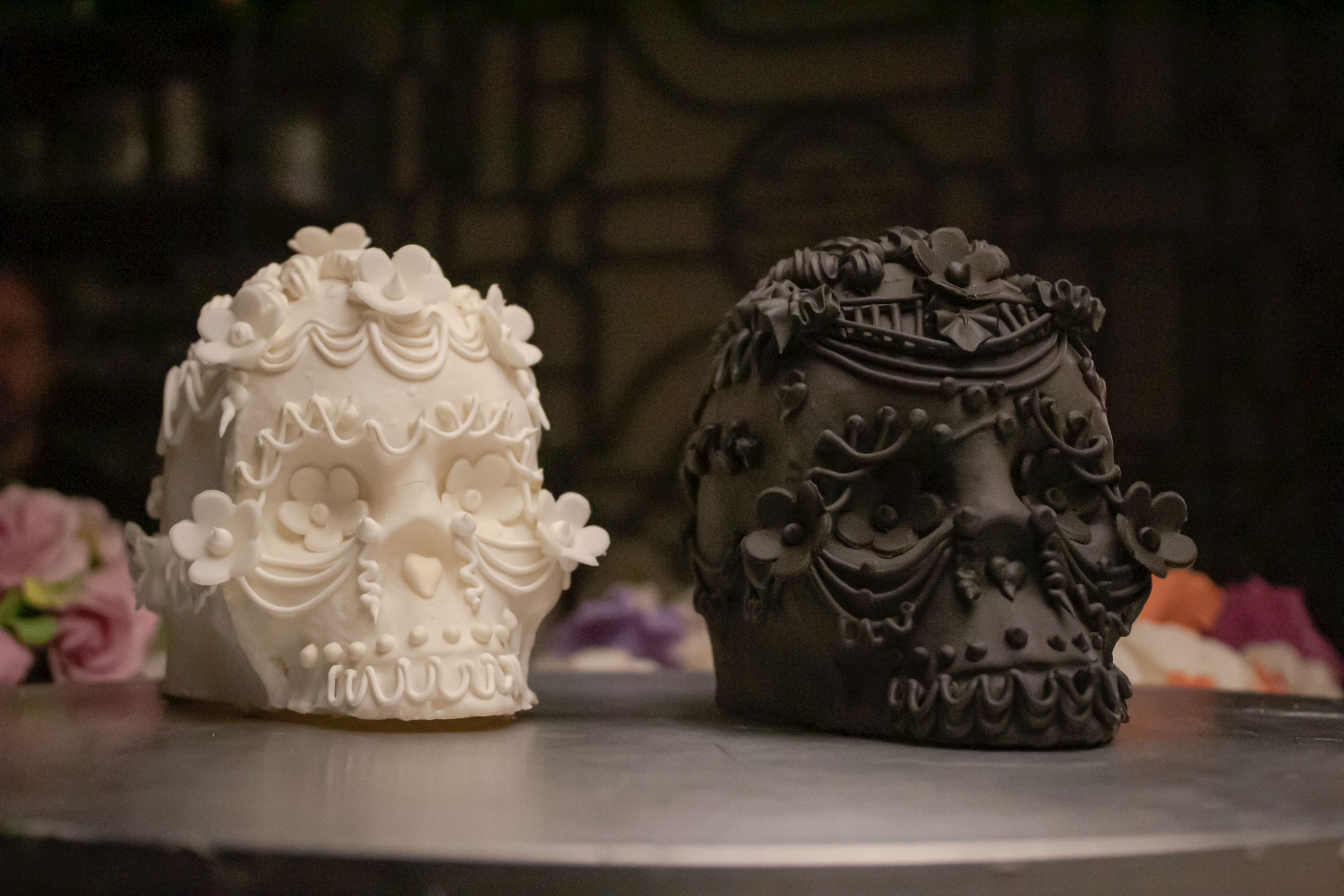
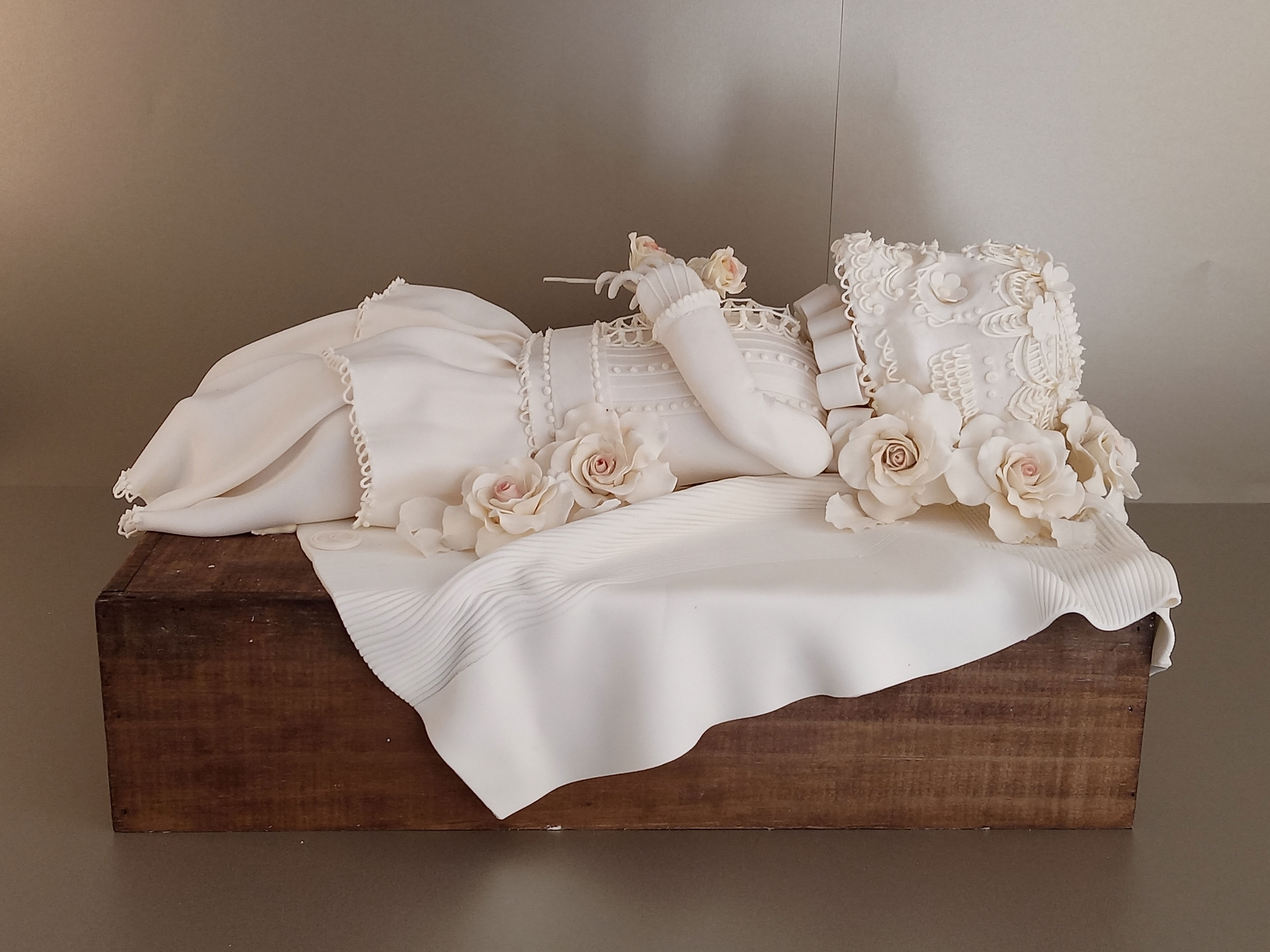
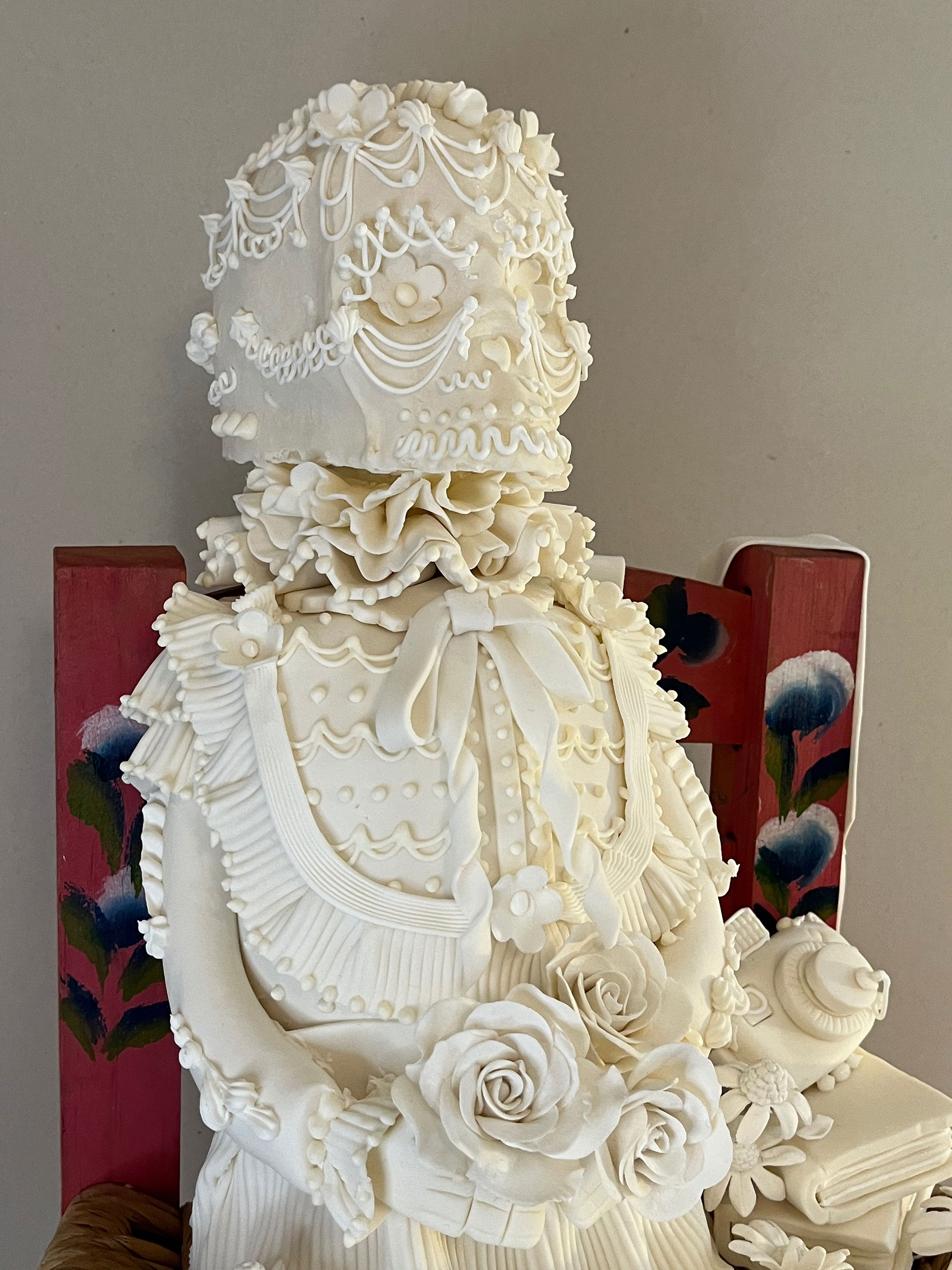
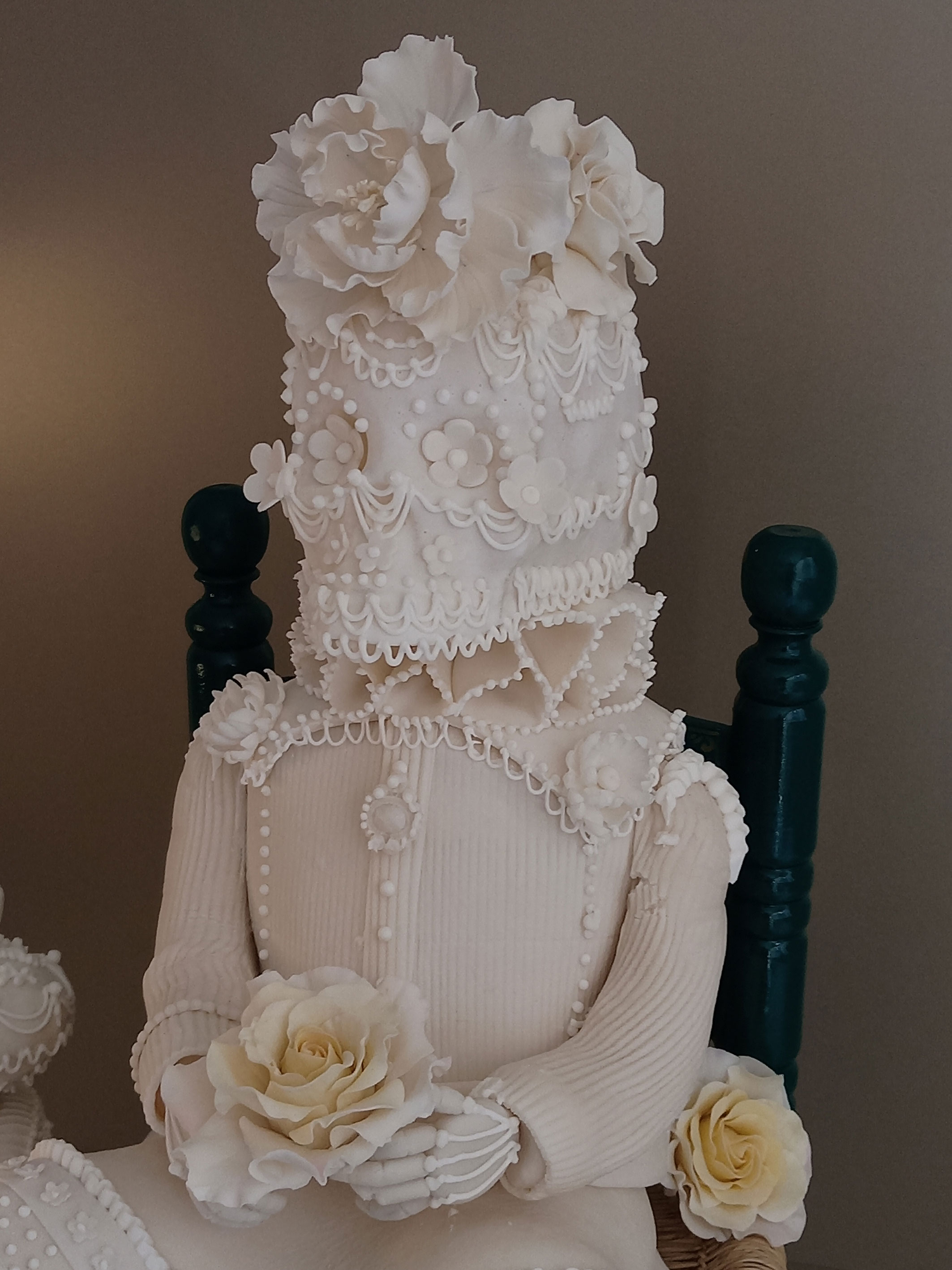
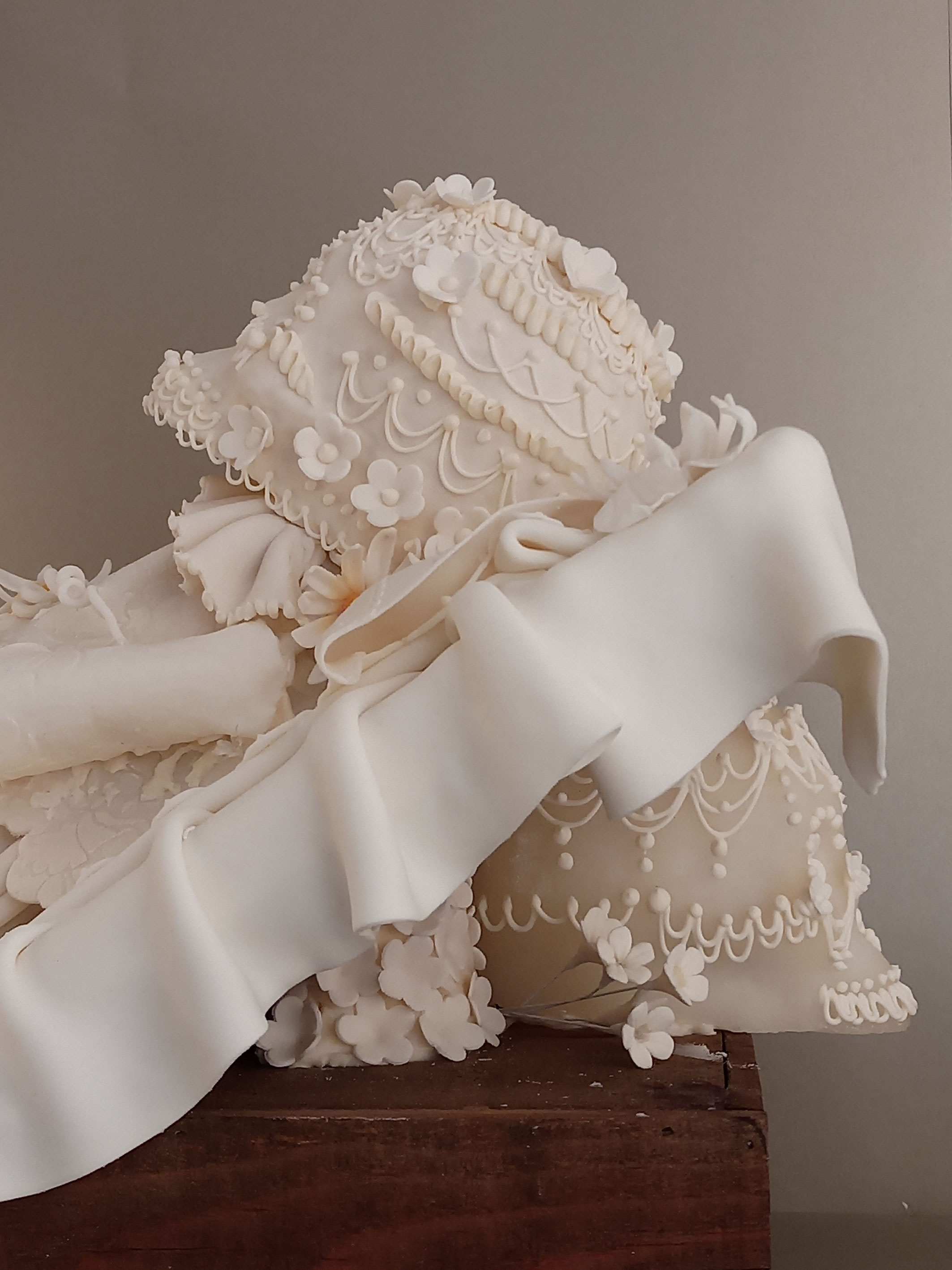
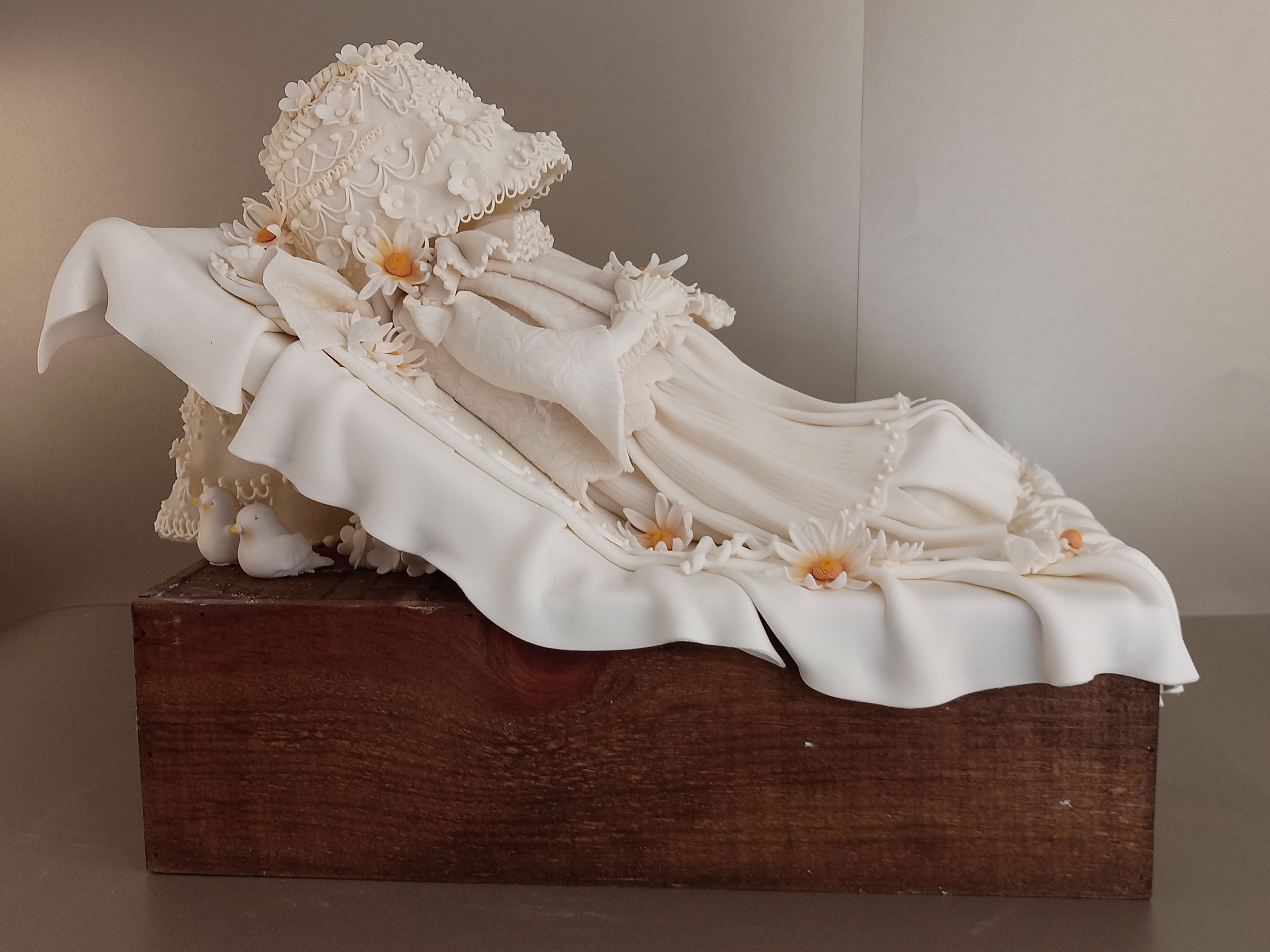
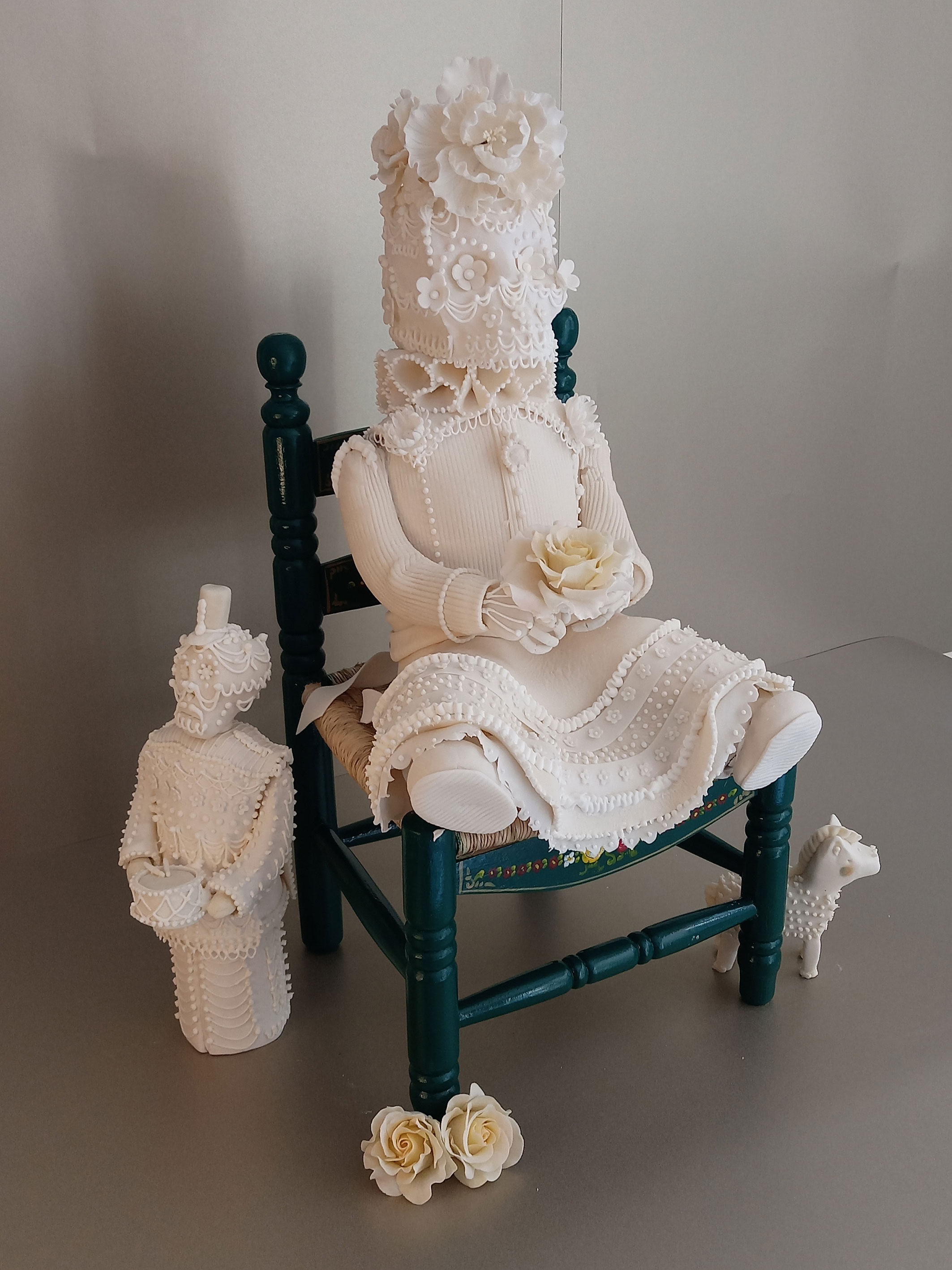
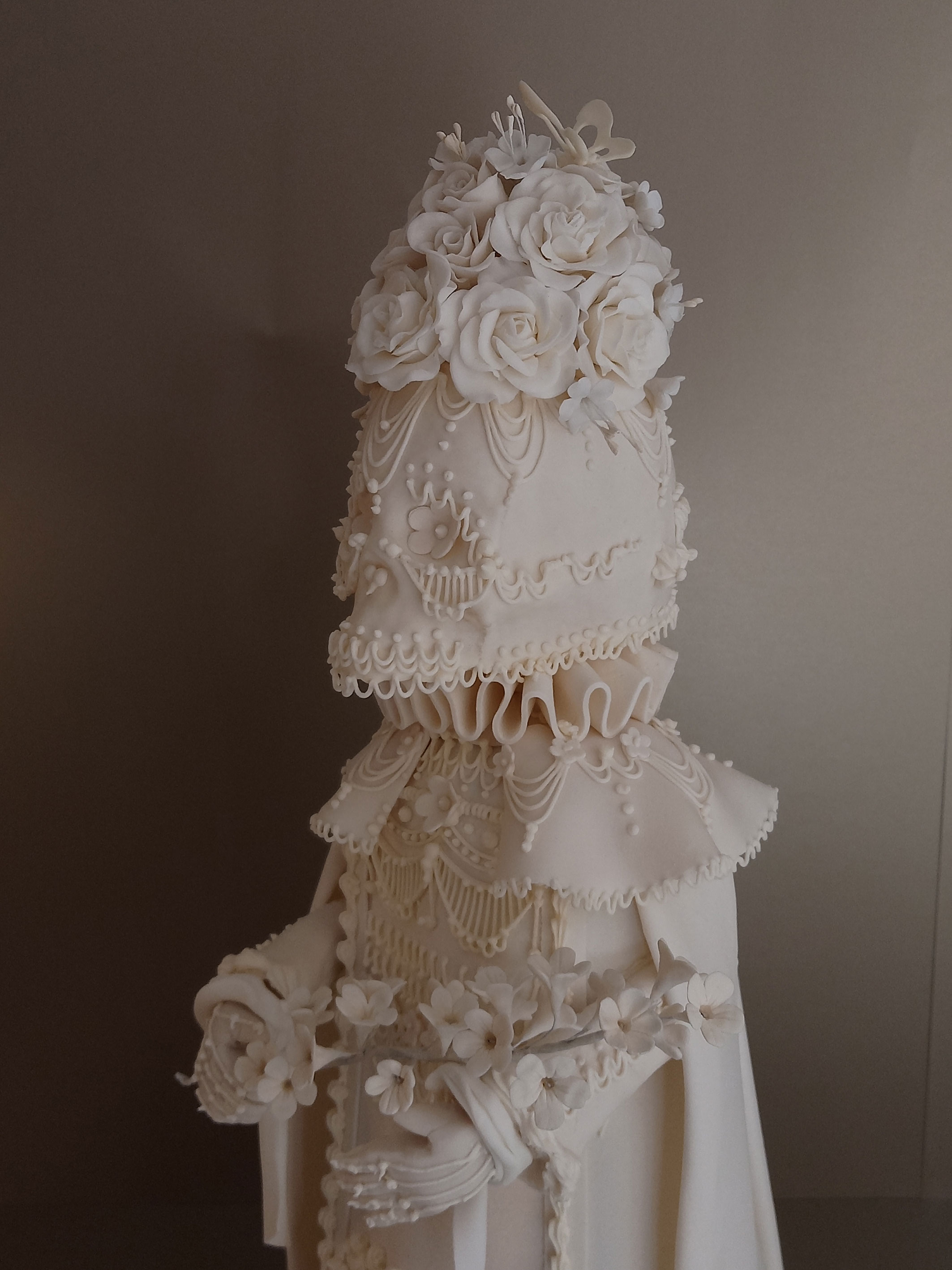
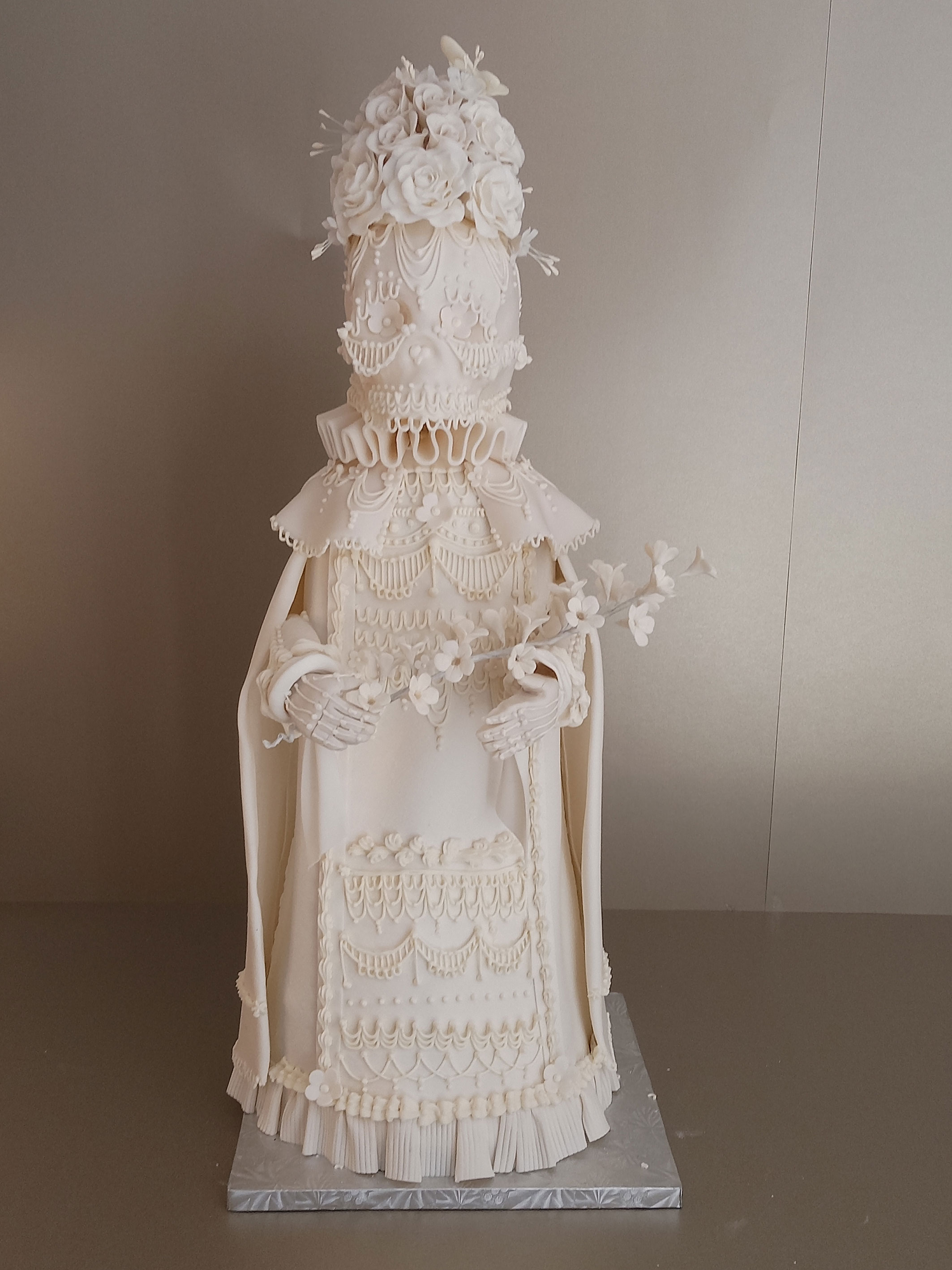
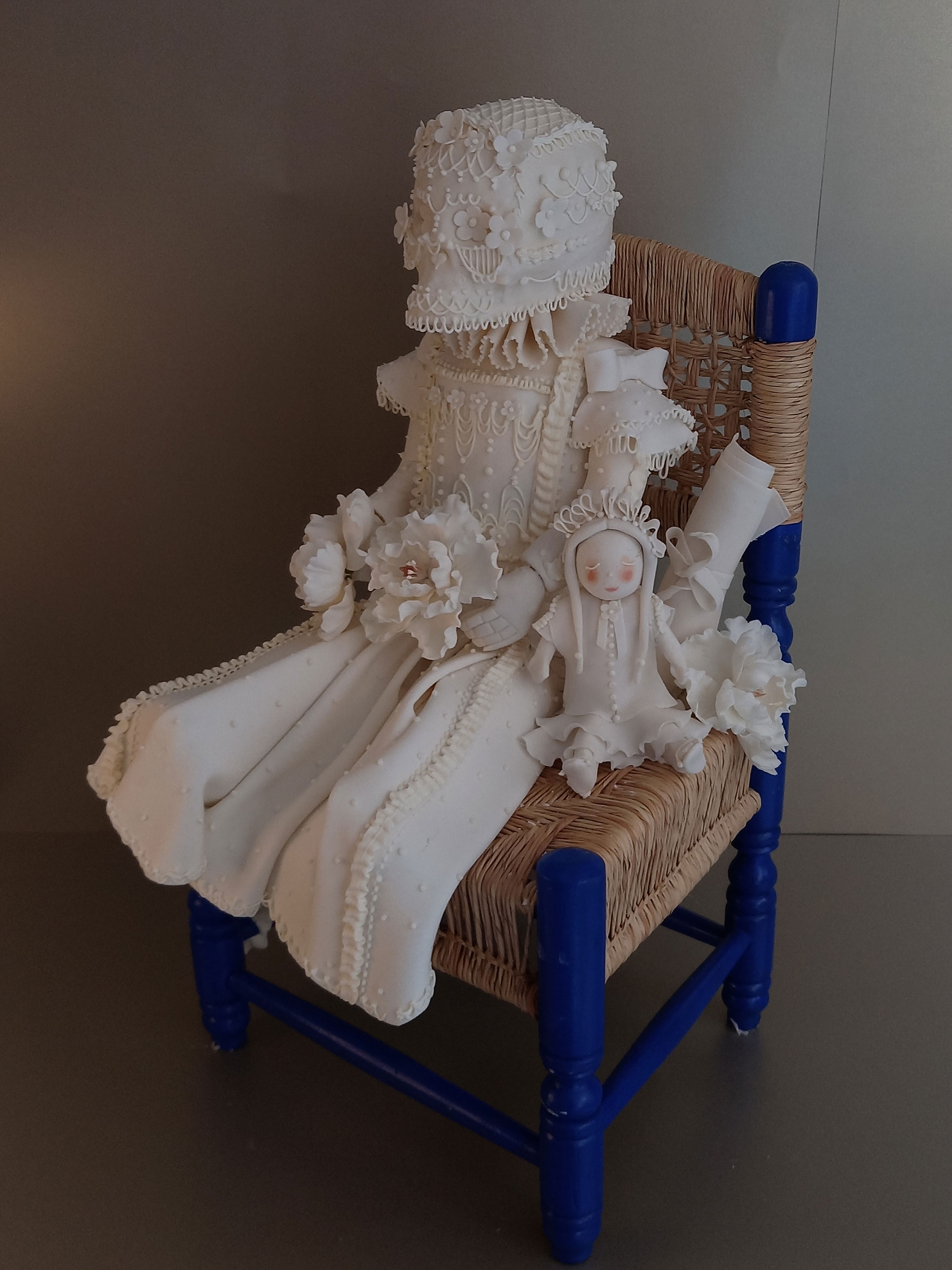
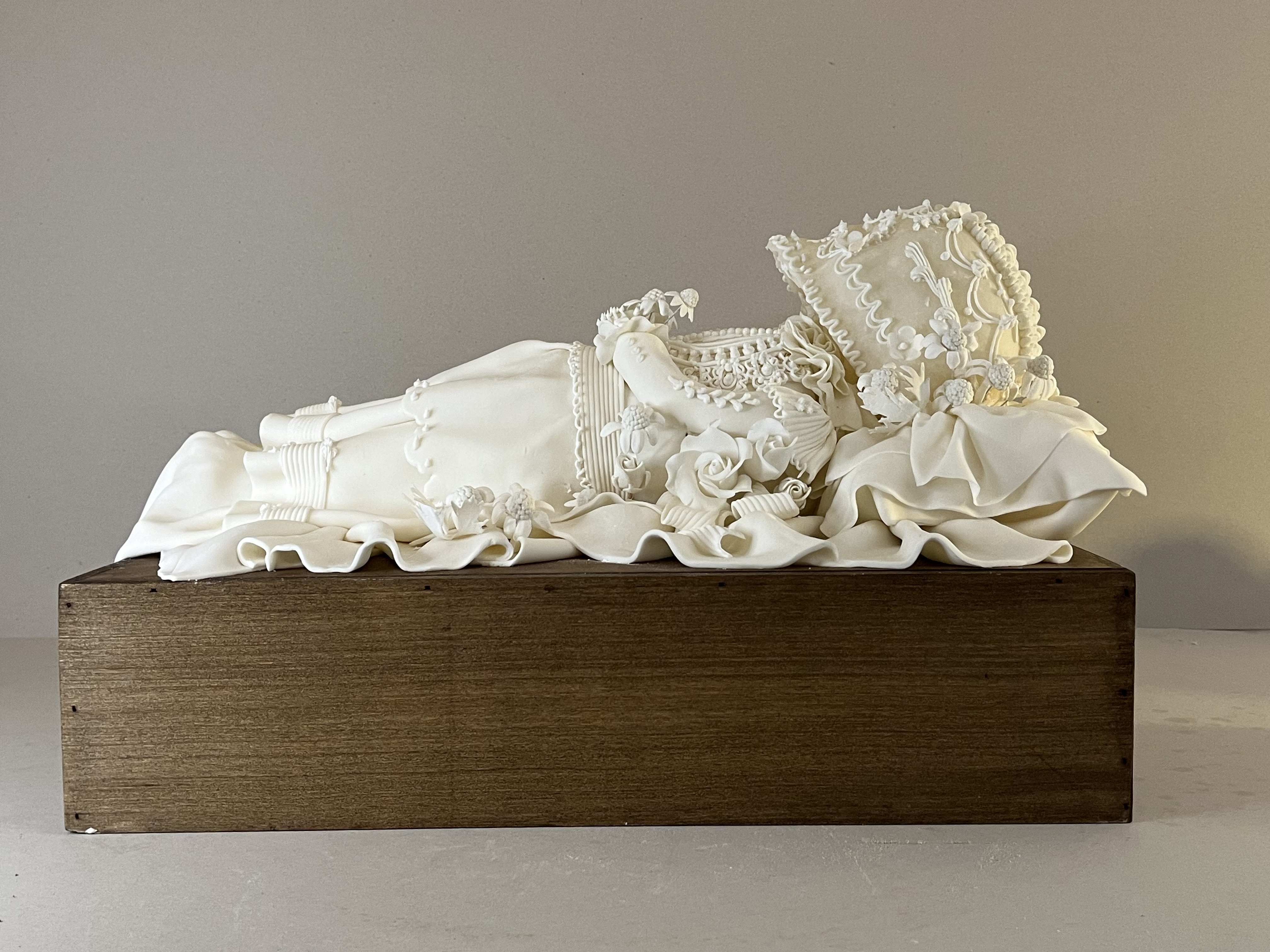
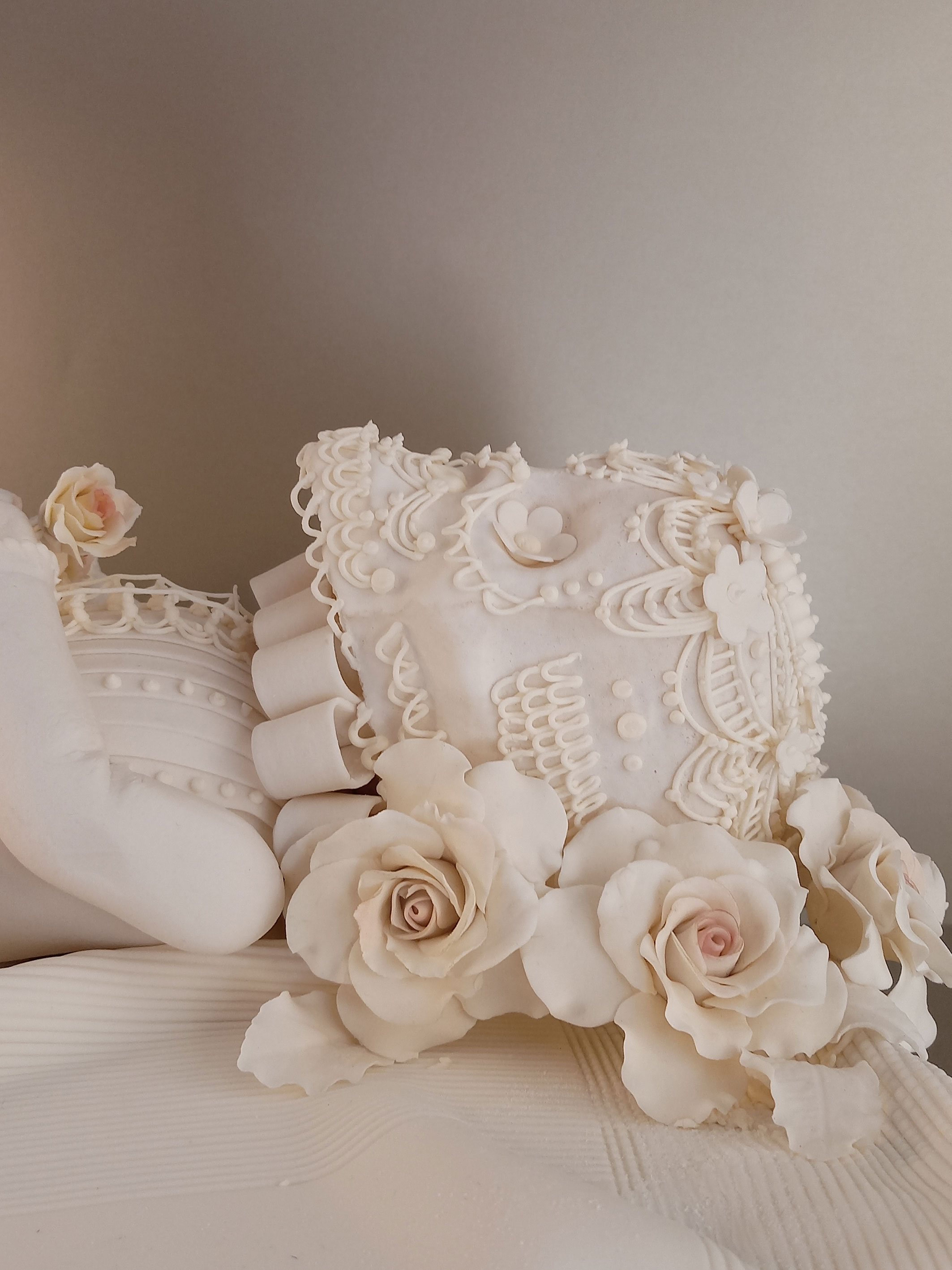
José Ignacio González nos presenta un homenaje desde la perspectiva del oficio del Alfeñique. Una tradición en su familia la elaboración del pan y él ha incursionado en la técnica del Alfeñique, muy arraigada en México desde el s. XVIII que llegó del viejo continente y fue incorporada a la repostería española por la cultura Árabe. La palabra deriva del árabe: alfainid, que a su vez se deriva del sánscrito phanita, que denominaba los jugos de la caña. Rápidamente es adoptada esta dulce y maleable técnica, que se enriqueció aquí en Mesoamérica con el jugo de una planta llamada “chiautle”, bulbo de una planta nativa del Valle de Toluca y con el que se amalgamaba la azúcar para su mejor modelaje.
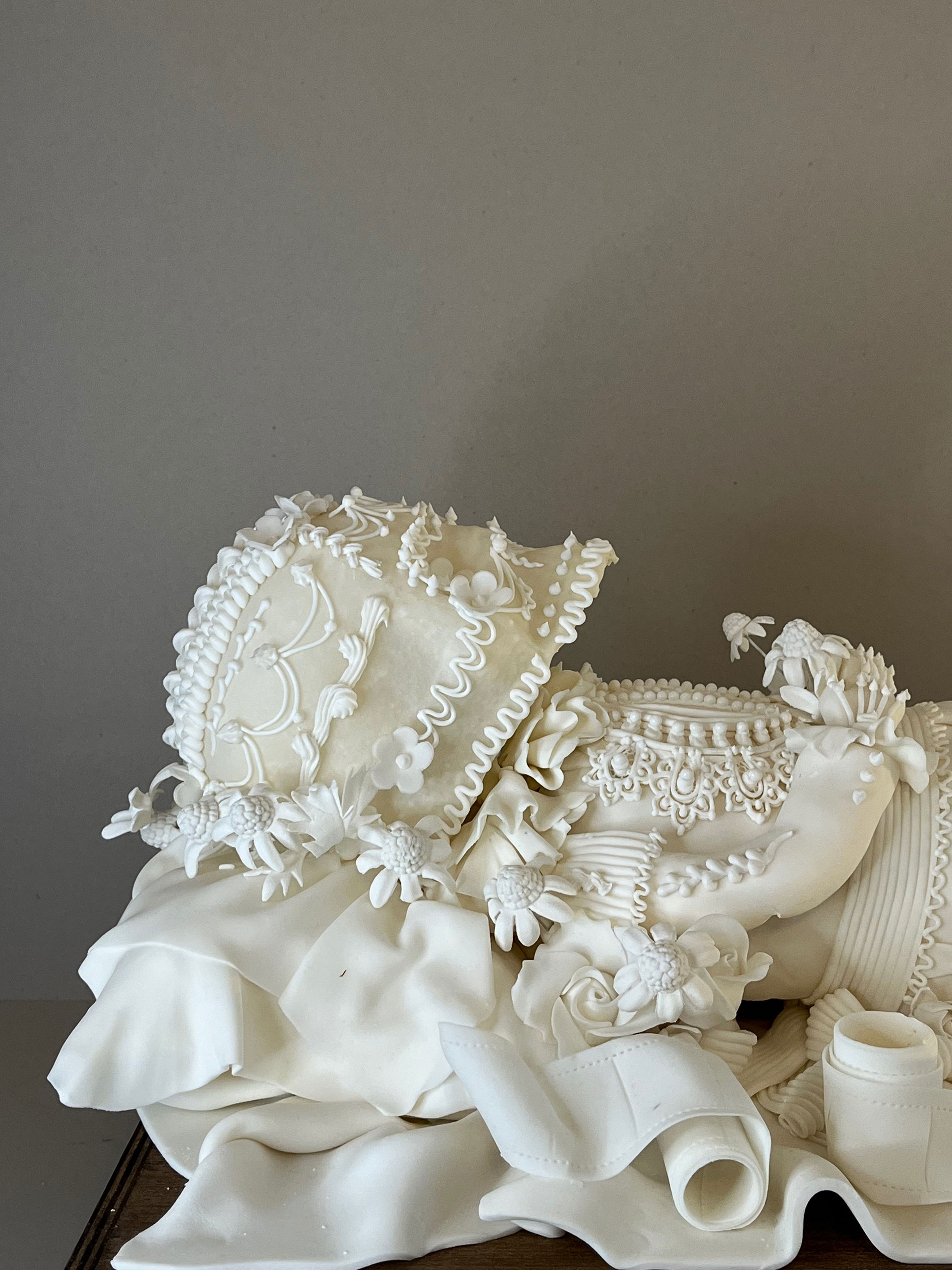
La propuesta del Mtro. González nos trae a colación la costumbre muy arraigada a principios del s. XIX de fotografiar a los niños que fallecían a muy temprana edad, y que en lugar de “llorarlos” se homenajeaban, ya que adquirían la condición de “angelitos” al morir sin pecado alguno, y se fotografiaban arreglando el cuerpo inocente con flores, vestidos y coronas, preparándolos para el ingreso al reino celestial. Esta costumbre tan arraigada es “revivida” por el Mtro. González con un dominio de la técnica sorprendente y para gozo de todo el público.
El MAP agradece y se honra en presentar esta interpretación espectacular de “La dulce muerte niña”.
The relationship between death and Mexican folk traditions has deep and cosmic roots. Since pre-Hispanic times, death has always held a special place; it has its own “niche” in our country, as it does in many other cultures around the world. In Mexico, death is given a more approachable, familiar, intimate, and inescapable meaning.
José Ignacio González presents a tribute from the perspective of the alfeñique craft. Baking has been a family tradition, and he has ventured into the alfeñique technique, which has been deeply rooted in Mexico since the 18th century. This technique arrived from the Old Continent and was incorporated into Spanish confectionery through Arab culture. The word derives from the Arabic alfainid, which in turn comes from the Sanskrit phanita, a term used to describe sugarcane juices. This sweet and malleable technique was quickly adopted and further enriched in Mesoamerica with the juice of a plant known as chiautle, the bulb of a native plant from the Toluca Valley, used to bind sugar for improved modeling.
In his proposal, Master González evokes a deeply rooted custom from the early 19th century: photographing children who died at a very young age. Rather than mourning them, they were honored, as they were believed to become “little angels,” having died without sin. Their innocent bodies were carefully adorned with flowers, garments, and crowns, and photographed in preparation for their entrance into the heavenly realm. This long-standing tradition is “revived” by Master González through a remarkable command of technique, to the delight of all audiences.
The MAP is grateful and honored to present this spectacular interpretation of “The Sweet Child Death.”